A Brief History of Trowse Newton
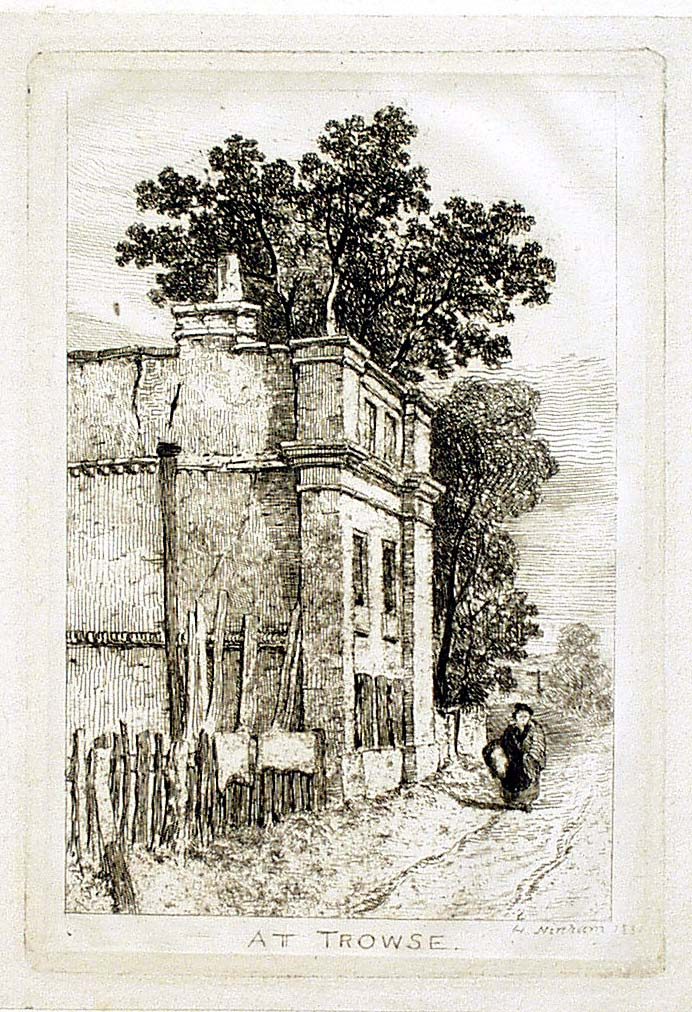
Trowse has a rich and multi-layered history. The Romans at nearby Venta Icenorum in Caistor regarded the rare confluence of three rivers at Trowse – the Yare, the Tas, and the Wensum – as auspicious, a sign of good fortune. Rivers and waterways have always been critical to trade and rural farming communities. Variations of the name Trows/ Treus/Treusa derive from the Saxon ‘tree house’, meaning a wooden house – as displayed on the village sign.
The village is listed in the Domesday Book (1085) as two manors of ‘Trowse Newton’ with mention of a watermill. In 1205 the surrounding land was gifted to the Cathedral Priory of Norwich, a link which boosted the social status of the area. The Benedictine priors then took on responsibility for St Andrew’s church and built Trowse Newton Hall as an impressive summer retreat. In 1335 it hosted a royal visit from King Edward III and Queen Philippa who stayed at the hall. It was later used as a farmhouse by the Money family but was damaged during the 1766 bread riots in Norwich. The ruins are visible today in Whitlingham Country Park alongside the big broad.
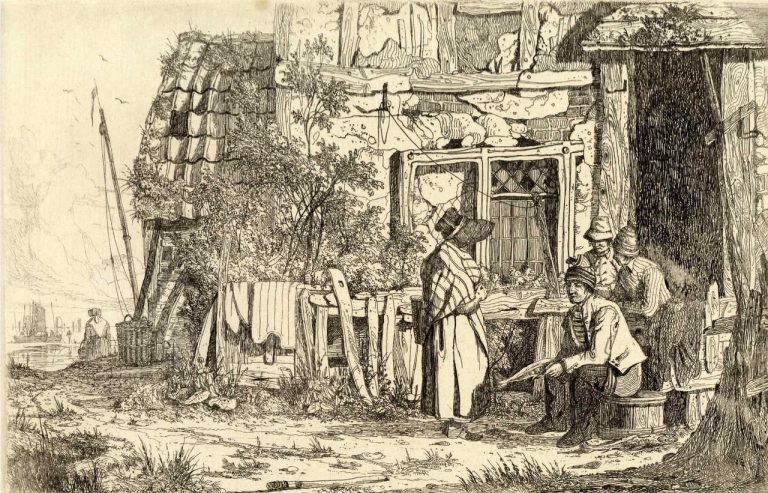
Events in Trowse and Norwich were inextricably linked. The fine medieval cathedral enhanced the city’s cultural status and the wool and textile industries flourished. Wealthy merchants and farmers built fine town and rural properties. River transport was key to the movement of heavy goods such as lime and marl using barges and wherries as recorded in paintings by the Norwich School of artists.
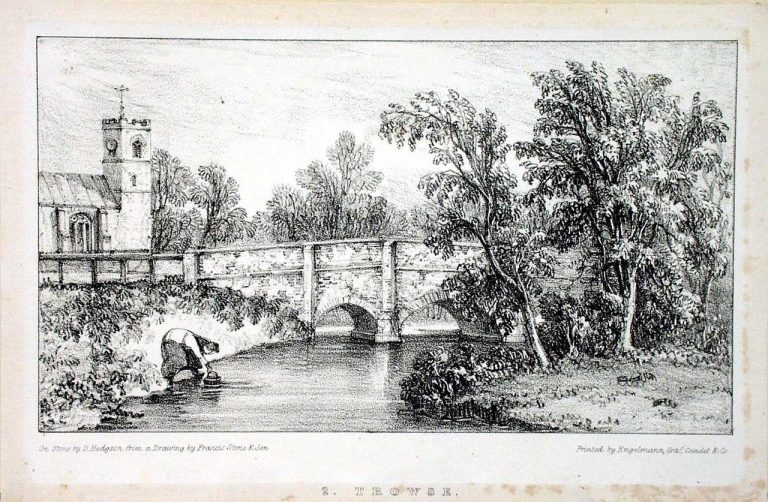
Trowse was also used as a convenient watering place for cattle en route to/from the market in Norwich. Memoirs record the muddy streets and crowded houses below street level. Life was harsh for rural poor families who worked on the land as farm labourers. The purity of Trowse river water was used to clean the laundry of affluent Bracondale residents, collected and delivered back by donkeys.
Trowse also had wealthy and influential residents such as Colonel John Money at Crown Point (name derived from the British military fort in upstate New York). Following an military career in Europe and in America during the War of Independence in the 1770s, and derring-do adventures as a balloonist, he built his estate and mansion near to where Whitlingham Hall stands today. The Crown Point Tavern was later established in 1854.
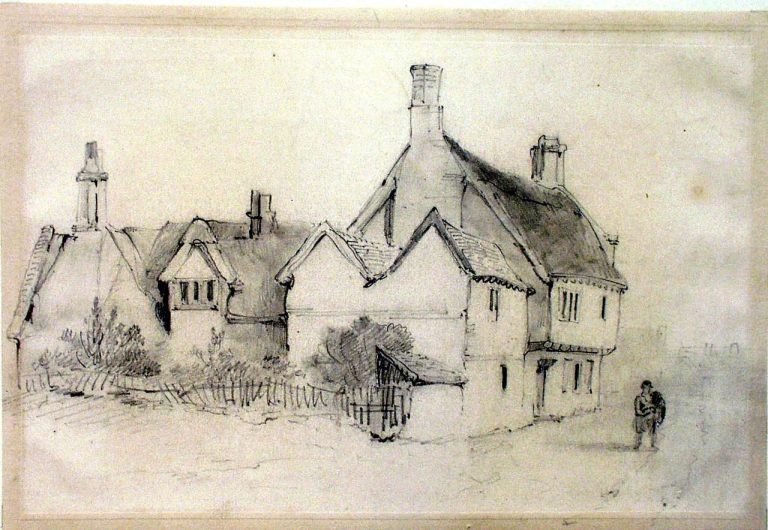
In the late 1880/90’s, Jeremiah Colman and family, millers from Stoke Holy Cross Mill, moved to Trowse and radically changed the appearance of the village by buying land, demolishing decaying properties and creating a new ‘model village’* conveniently close to the Carrow factory manufacturing mustard. The Colmans bought and donated the Common to the village in exchange for properties on Whitlingham Lane. As devout Baptists, the family strongly believed in the progressive concept of ‘cradle to grave’ employment based on philanthropy, religious conviction and no alcohol. A sober workforce was seen as essential to good discipline and morals. The number of pubs in the village was reduced from seven to four. In exchange, workers received new and better-quality housing, including retirement (the Dell), a new school, and social activities such as bowling and works outings. Good local rail transport facilitated distribution of Colman products throughout the UK and abroad. Innovative modern branding and packaging with advertisements by famous artists marketed the Colman name worldwide and the family moved to Whitlingham Hall, later joining the Anglican Church of England congregation at St Andrew’s.
* Other model villages include Port Sunlight (Lever Brothers/Unilever), Bourneville (Cadburys) and Saltaire (Titus Salt).