A brief history of Trowse Newton
A BRIEF HISTORY OF TROWSE NEWTON – (Notes from Historic England)
Grateful to the Conservation Section of the Planning Department at South Norfolk Council for allowing the information below to be reproduced within the June / July 1999 Villager Magazine
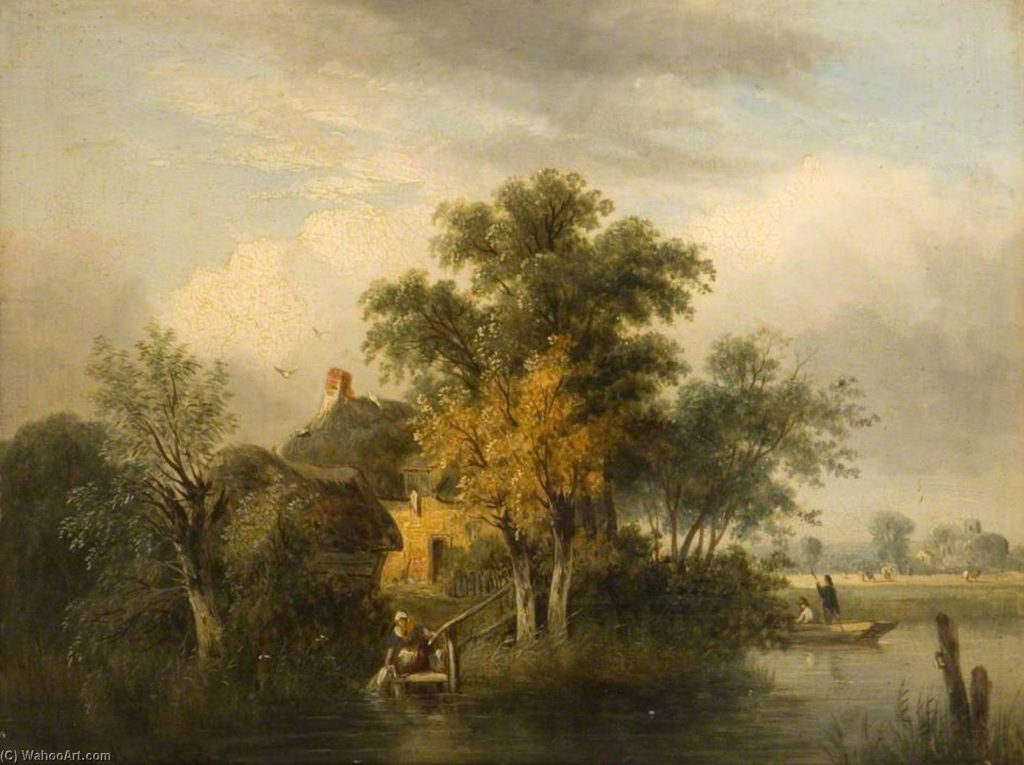
The correct name for the village is Trowse Newton or Trowse with Newton. The manor of Newton was originally larger than that of Trowse, which was its berewic (or outlier). Trowse has been known at various times as Trows, Treus or Treusa. The name is said to derive from the Saxon term tree house, meaning a wood house.
The earliest surviving reference to the village is from the Saxon period, when the whole of Newton, and part of Trowse, was owned by Bishop Stigard. In 1205 the lands were handed over to the Cathedral Priory of Norwich, a Norman foundation.
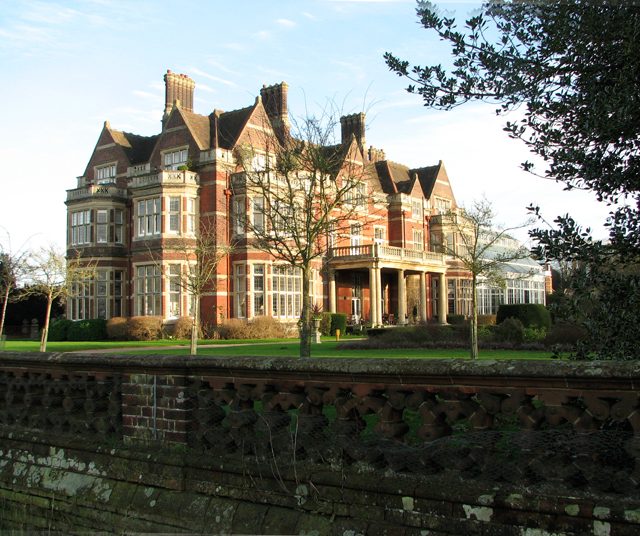
An estate in Trowse Newton was purchased by the Money family towards the end of the C17. In 1772 it passed into the hands of John Money (later to become General Money), who in 1784 built himself a new house on the site which he called Crown Point, a name he chose following his involvement in the taking of Crown Point in America. By the time he died in 1817, and following a dispute, the estate was inherited by his illegitimate son, Colonel Archibald Money. Colonel Money died in 1858 and the estate passed to a second illegitimate son, the Rev Frederick Money who in 1861 put it up for sale. It was purchased by Sir Robert Harvey.
Trowse Newton Hall had been built by the Priors as their country retreat, and it is recorded that in 1335 King Edward III and Queen Phillipa lodged there. After the Dissolution of the Monasteries, the Hall was used by the Prior’s successors, the Deans of Norwich Cathedral, until about 1850 when it became a farmhouse. Later it fell into disrepair and was finally demolished by Sir Robert Harvey. The remains of the hall may still be seen beside Whitlingham Lane.
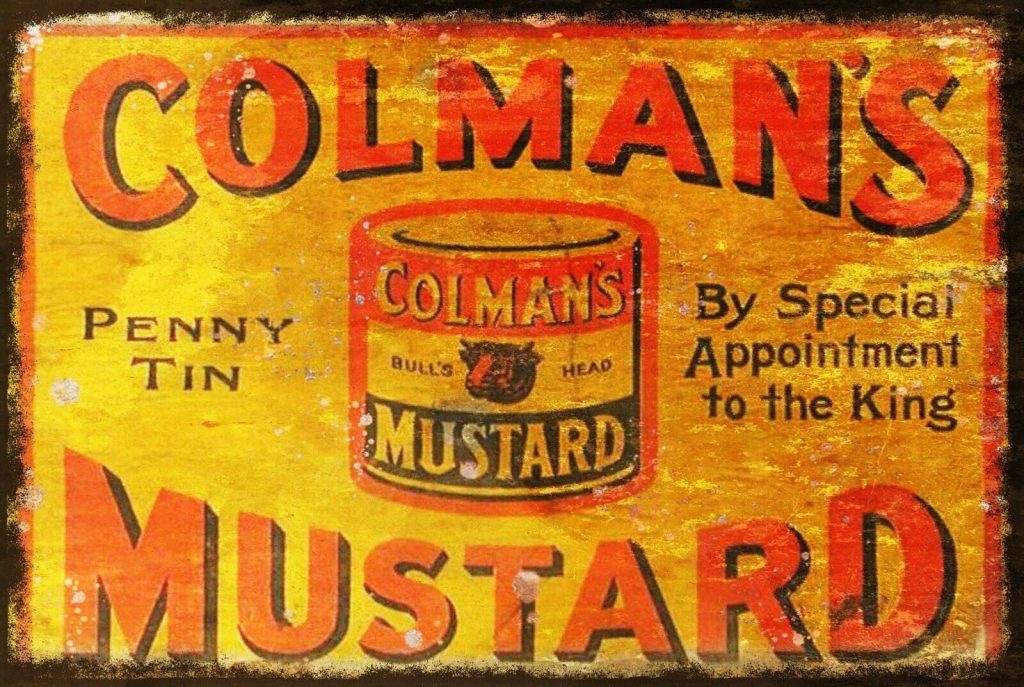
Sir Robert Harvey had founded Crown Bank in Norwich (its building was part of Anglia Television). But in 1871 the bank failed and Sir Robert committed suicide. In 1872 Crown Point Estate was bought by Messrs. J and J Colman. They had started making mustard at Stoke Holy Cross mill. But the coming of the railways to Norwich and their need for a larger supply of labour had caused them to move to Carrow in 1856.
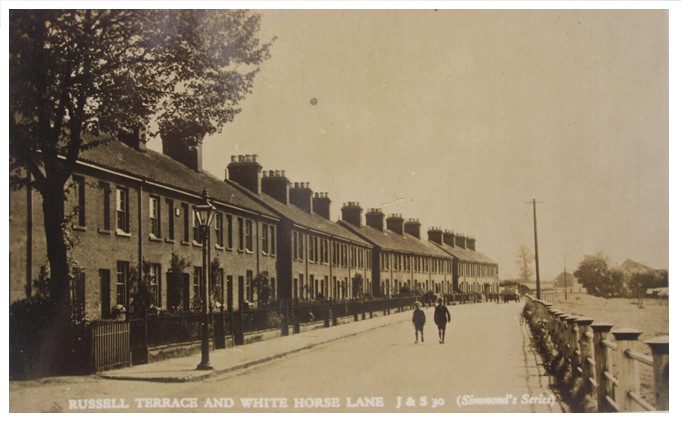
The Colman family is largely responsible for Trowse as we know it today. At that time, Trowse was a very poor village. Indeed, one of its yards, Lent Yard, was nicknamed “the slums of Trowse”, and it would seem that the village attracted people of ill repute, who had been expelled from Norwich. The Colmans set about transforming Trowse into a “model village” as a part of a miniature “cradle to grave” welfare state.
In their enlightened attitude towards their employees, the Colmans were typical of a number of successful industrialists of the nineteenth century. They had themselves risen from humble beginnings and they were Nonconformists. They believed it was their duty to rescue workers from sin and squalor and to set them on the path of virtue and self-improvement, while also noting that a contented work force was a hard working one.
They were following a tradition of Sir Robert Owen, the founder of New Lanark in the early years of the century, their contemporaries were the Lever Brother at Port Sunlight and Sir Titus Salt at Saltaire and they pre-dated the Rowntrees at New Earswick and the Cadburys at Bournville.
At Trowse the Colmans built terraced houses for their workers and semi-detached ones for their foreman. In 1870 they built the original school and a Congregational chapel. The chapel stood immediately east of Chapel Terrace (Place), but was unfortunately demolished some years ago. Houses for pensioners in The Dell followed in 1890. In 1899 the seventeenth century Manor House was restored and extended as a Reading Room.
In 1890 the Common was made over to the village in exchange for land in Whitlingham Lane. This prompted the demolition of several cottages and the old White Horse public house, which stood on what is now the common.
After the Colmans joined the Church of England, the medieval Parish Church played a growing part in the life of the village. Under the leadership of the Reverend W Macnaughton-jones, appointed vicar in 1899, the church was restored and the old church school converted into a Parish Hall.
The death of Mrs Colman in 1954 and the conversion of Crown Point Hall to a hospital marked the end of an era for Trowse. Though the main estate has survived, the subsequent sale by the Company of houses in the village has directly affected it character as a “model village”.
The fabric of the village has changed relatively little during the twentieth century. The most significant development has been the recent completion of the Trowse bypass together with the Southern Bypass in 1992, allowing the village to become, once again, a pleasant place in which to live.