A historical journey through the streets and houses of Trowse Newton.
Appendix 1 - Townscape and Buildings
(3) The Street: East of The Manor Rooms
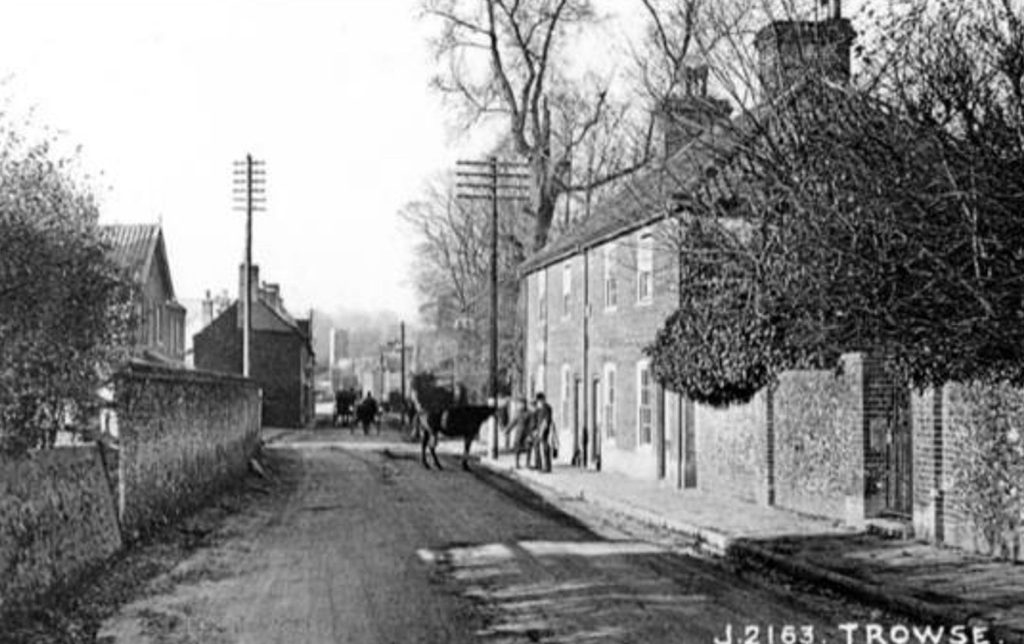
Despite its great variety of building types, this section of The Street has a strongly linear form, with buildings, walls and hedges maintaining a continuous frontage on either side. The Church and Crown Point Tavern and the new houses to the east provide focal points in views up and down the street.
(a) Northside
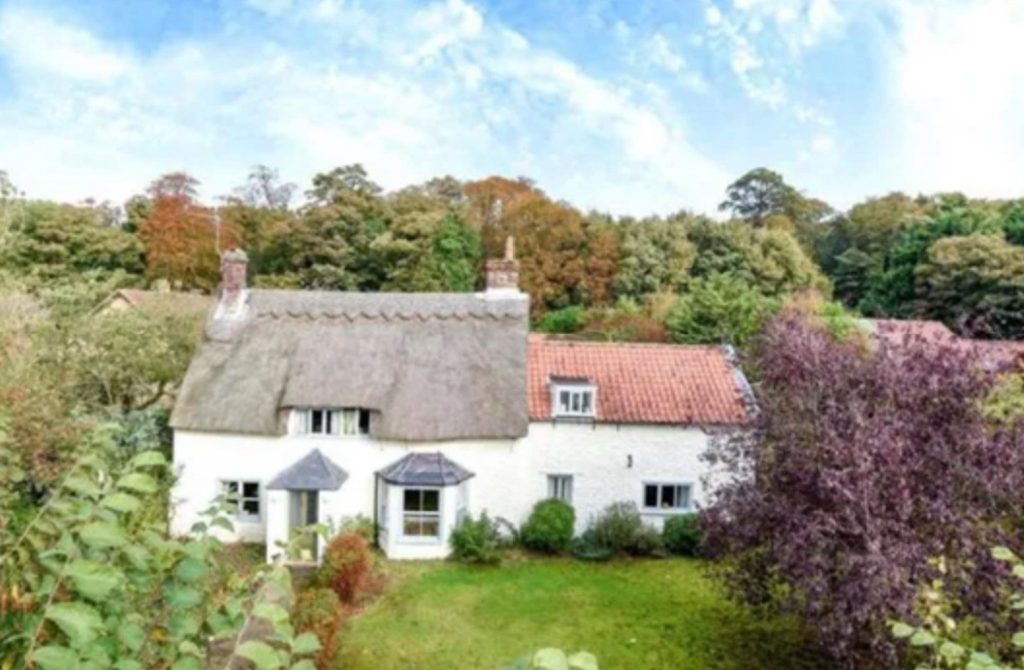
Old Hall Farmhouse (formerly Sunnydale) is an attractive flint and thatched cottage nestling behind a hedge. It is now linked to the traditional outbuildings, which have been converted to residential use.
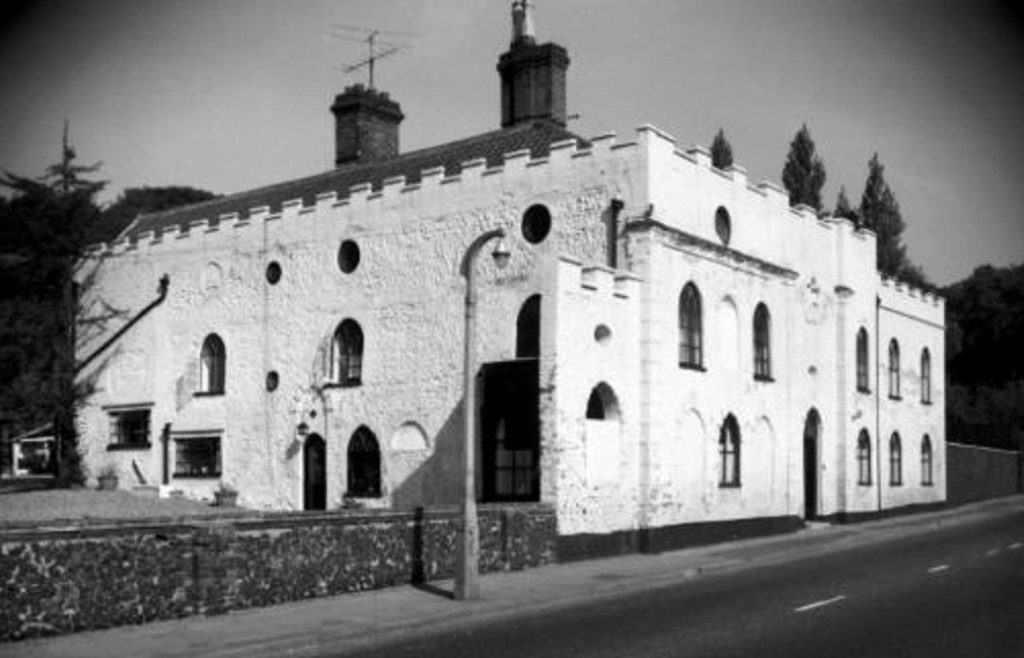
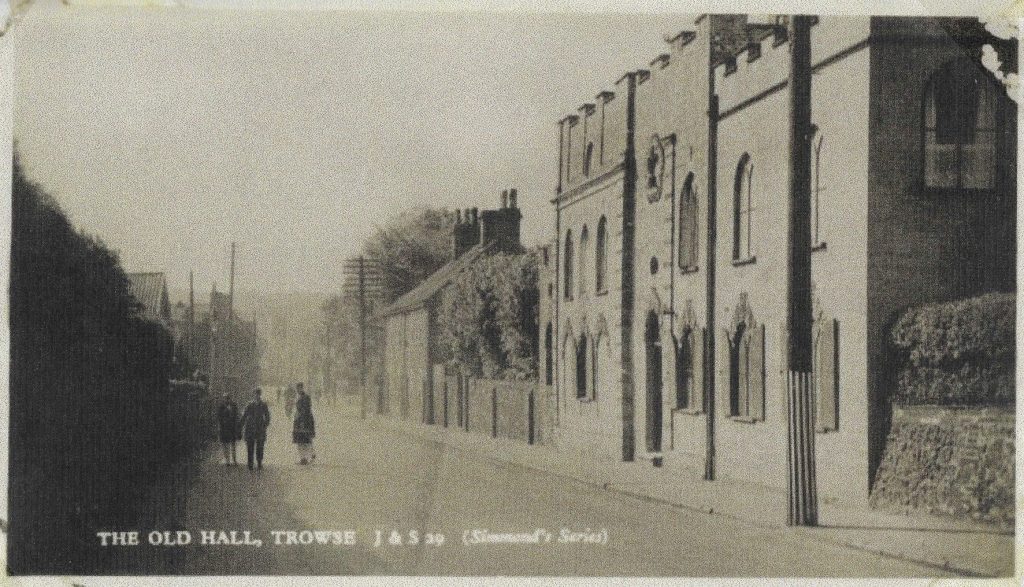
Trowse Old Hall dates from 1721, but its present Gothic front dates from around 1770. Features include flint rustications, pointed arched window openings, giant pilasters, cinquefoil and oval openings and a crenelated parapet.
Five houses – Old Hall Close – have been built in its grounds. Although clearly late twentieth century in appearance their materials and layout (including the retention of trees) make a positive contribution to the character of the area.
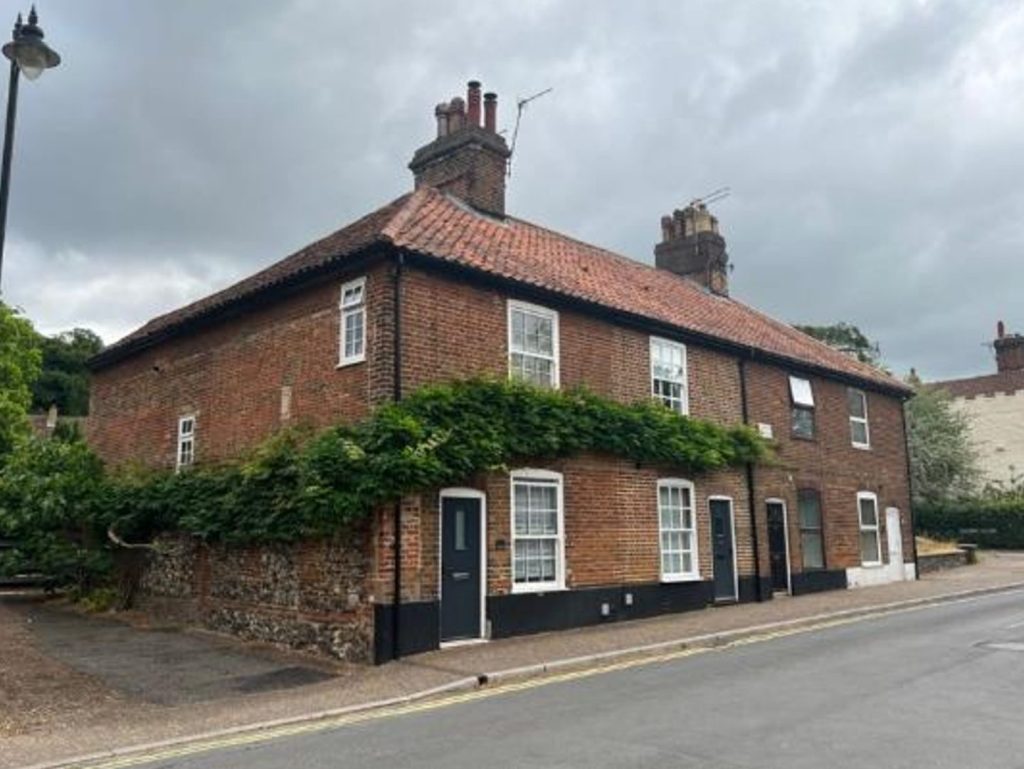
Alburgh Cottages, a red brick and pantiled terrace, dates from the late nineteenth century, but incorporates earlier, probably eighteenth-century fabric, including a blocked pointed arch.
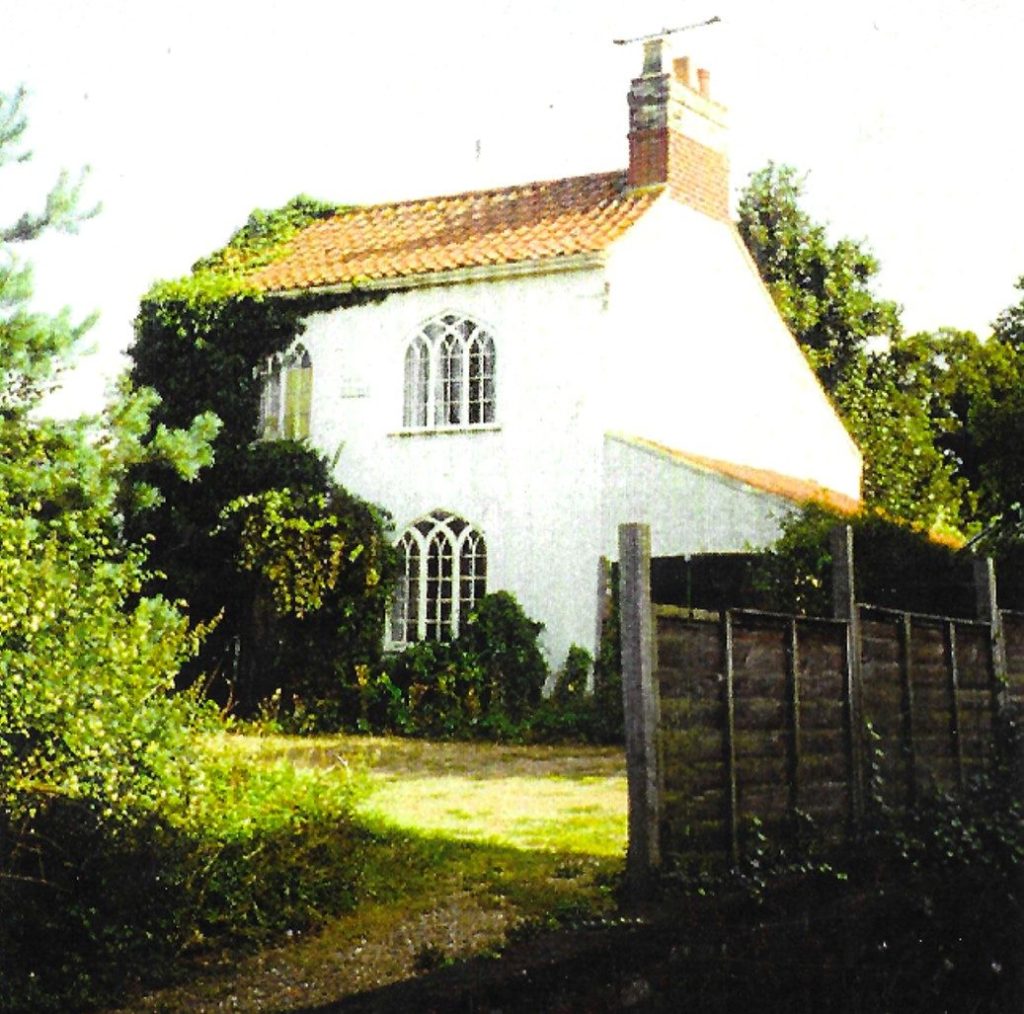
Gothic Cottage has pointed arched windows and door, perhaps related to those of the Old Hall.
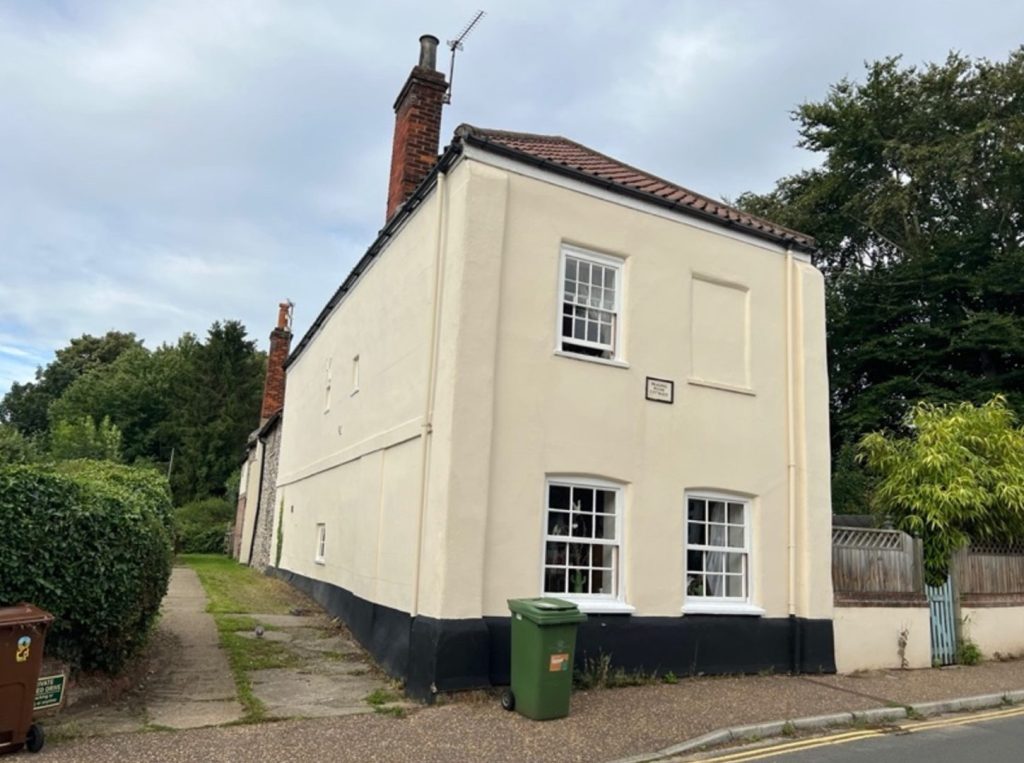
Reading Room Cottages are set at right angles to the street and probably date from the seventeenth or eighteenth century. Much of their architectural interest has been obliterated by modern rendering.
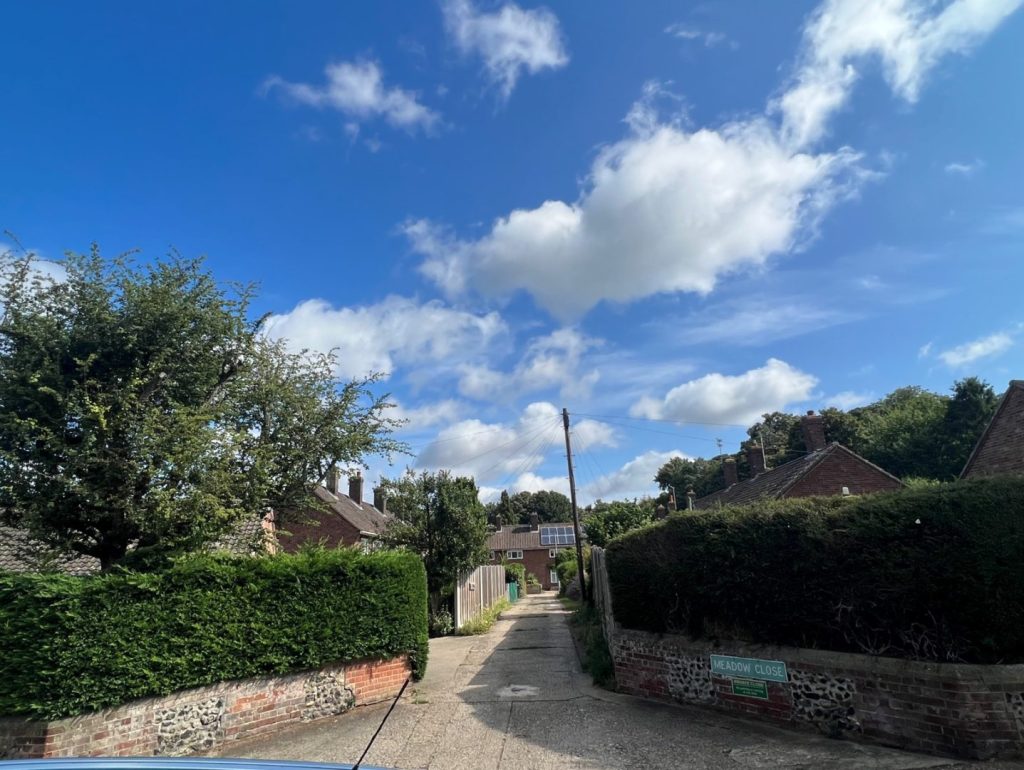
Meadow Close is a 20th century development on this side of the street comprising post-war dwellings with gardens grouped around a footpath at right angles to the street. Though of no particular architectural merit, trees and hedges make for a pleasant break in the street scene.
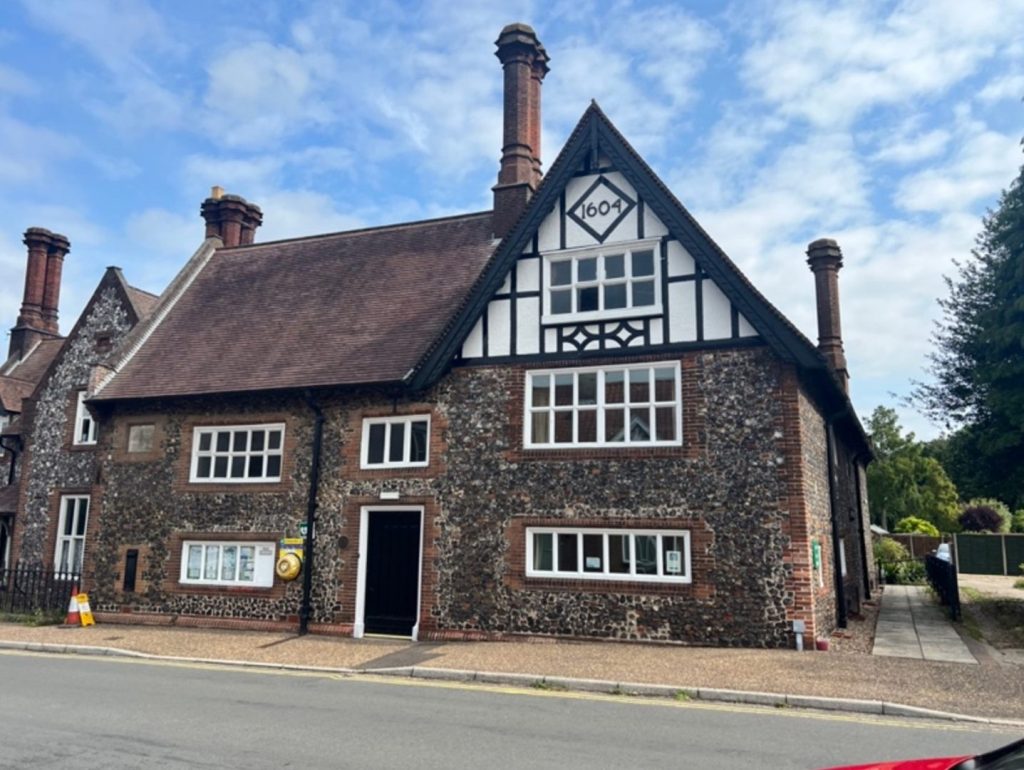
The Manor Rooms, dating (according to a Victorian plaque) from 1604, is of considerable architectural and historic interest but is not listed, possibly due to ‘restoration” works carried out in 1889. The alterations made at that time, comprising high quality flint work, terracotta and half timbering in a “seventeenth century” style, could now be considered for Listing in their own right.
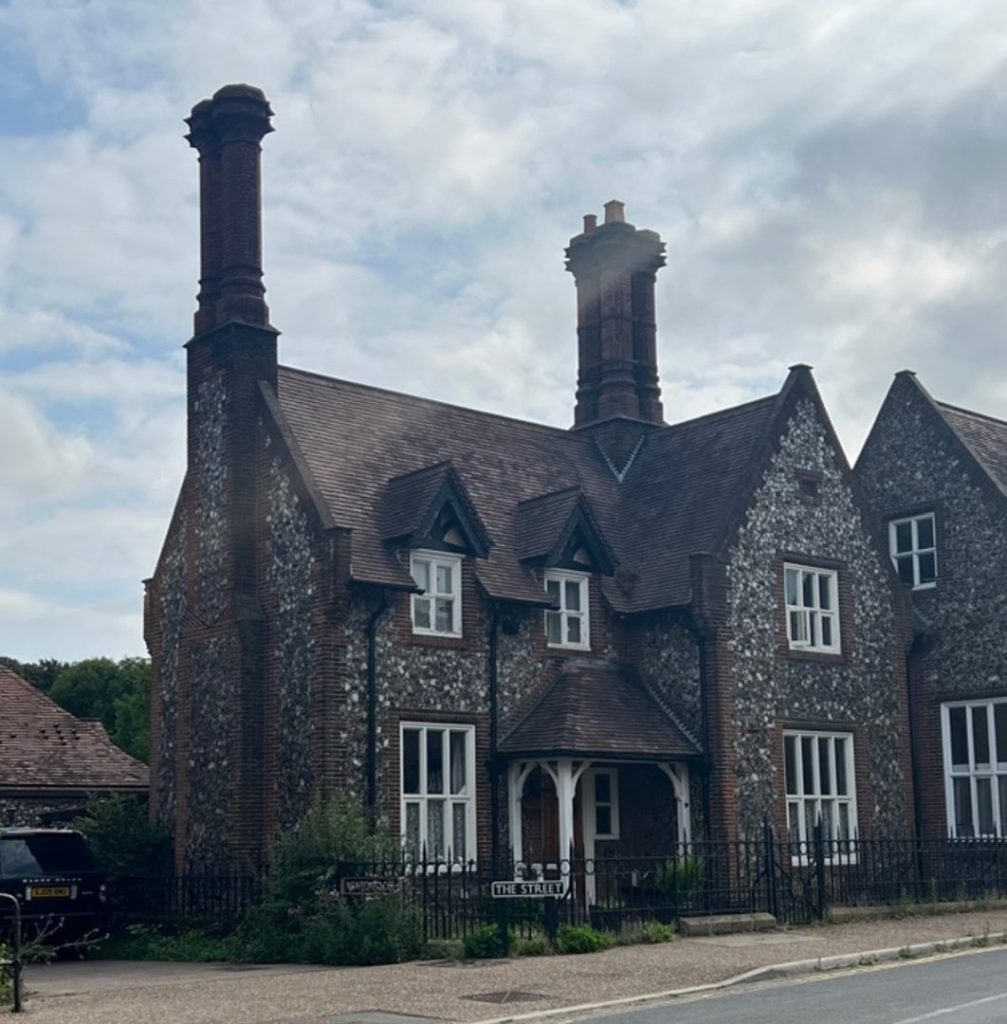
Also of 1889, and in the same rich “Jacobean” style, is Manor House attached to the west side of the Manor Rooms. Railings at the front are contemporary with the house. Behind the Manor House is an attractive bowling green that can be reached from a footpath beside the White Horse connecting The Street and Whitlingham Lane via Newton Close.
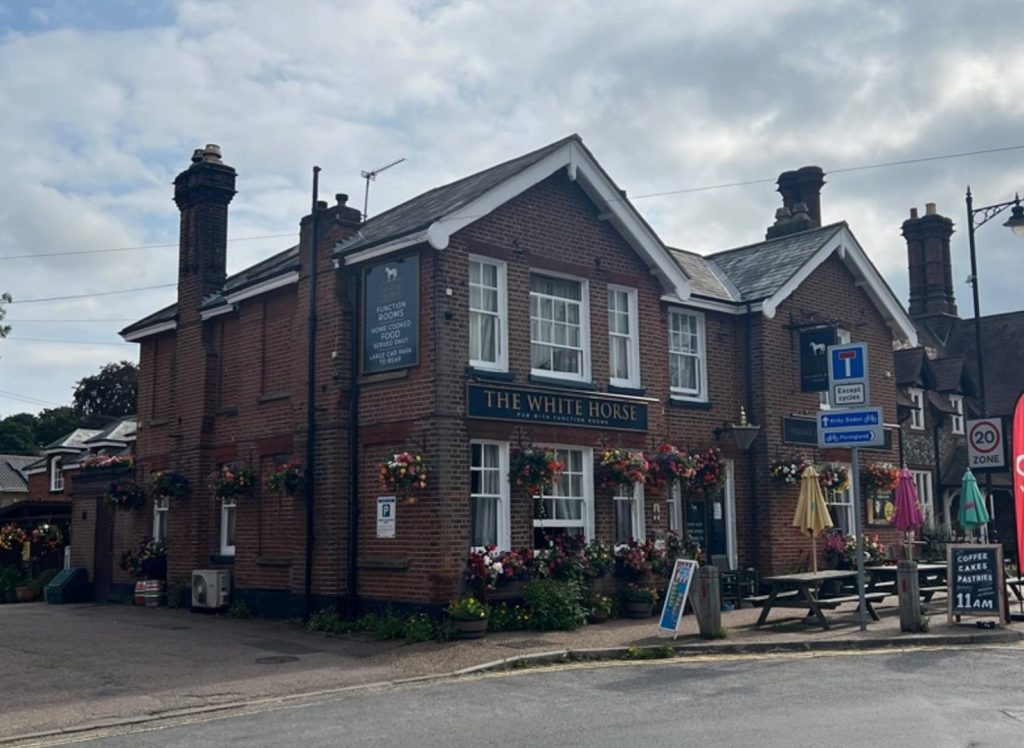
The White Horse public house dates from the late nineteenth century and replaced an inn of the same name, which stood on the Common. Its style is in harmony with that of the Colman terraces nearby. Buildings to the rear have been sympathetically converted from stables to an extension to the pub and living accommodation. The car park to the west and the newly widened footpath in front are both tarmacadam.
b) South side
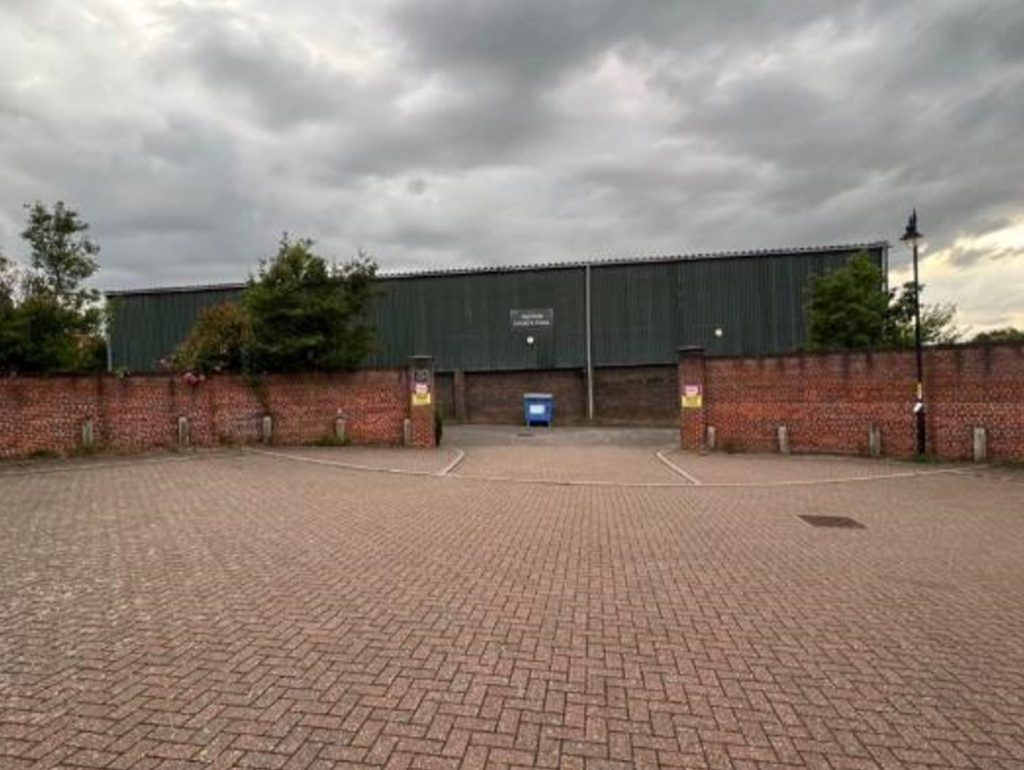
The impact of the large sports hall is all but hidden by the houses on the western end of Highland Crescent and now is only glimpsed through an alleyway.
Three modern houses, Hilltop, Copper Penny and a more recent bungalow, are all reasonably well screened by hedges and trees and make little impact on the street.
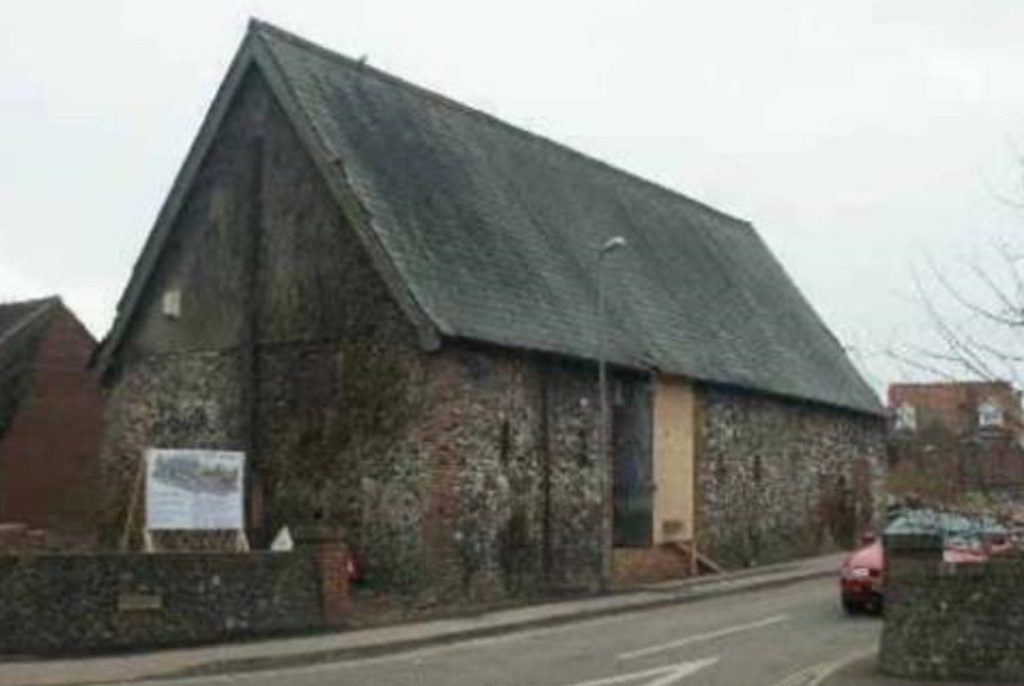
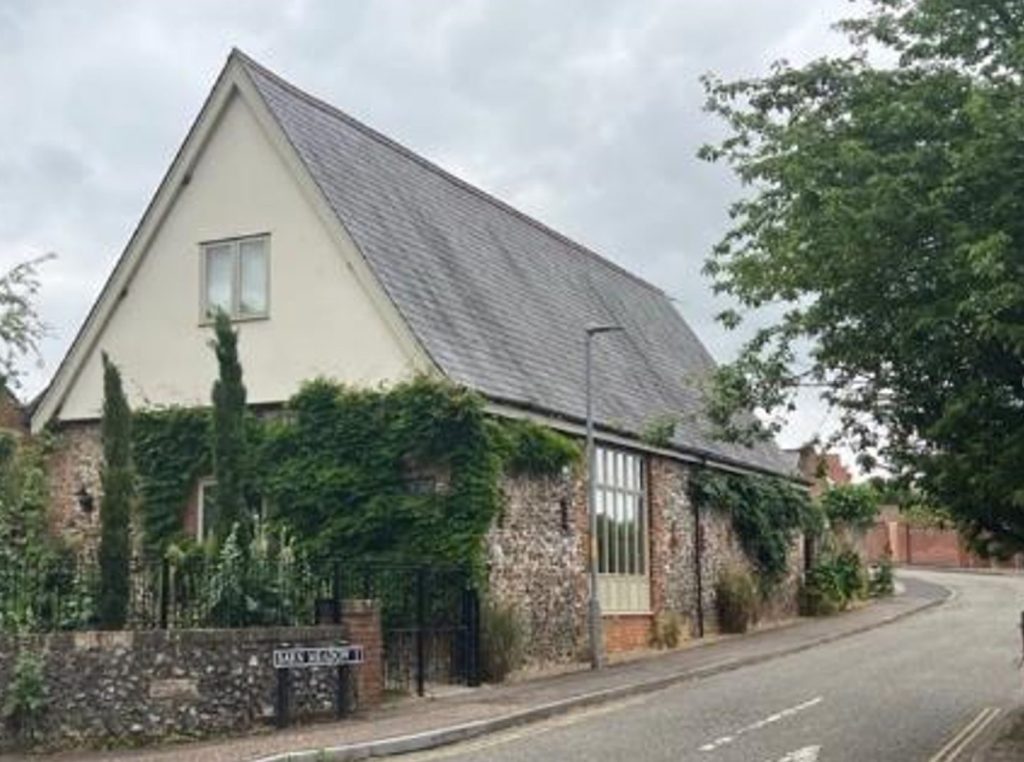
A flint barn, with slate roof, at the entrance to Barn Meadow, has been sympathetically converted to a house.
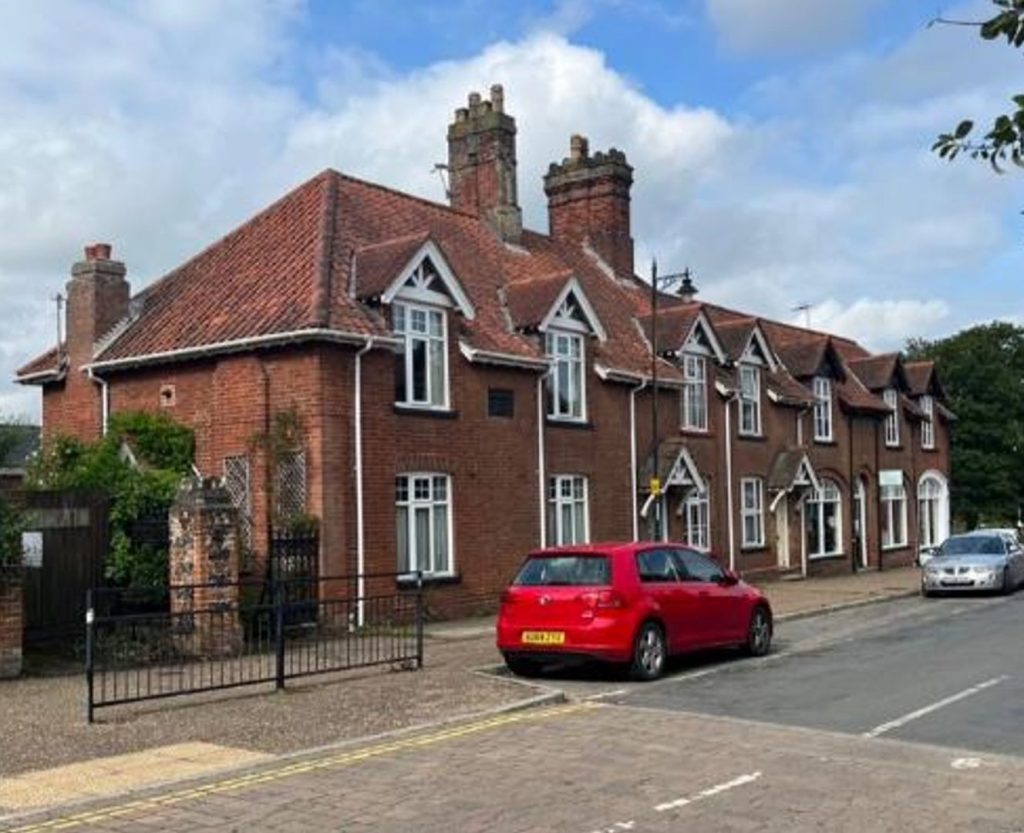
Vulcan Cottages dated 1890 and part of the Colman ‘model village”, have a single central gable to the front and open porches, 4 of which have been enclosed: a break with the “Georgian” simplicity of, for example, Russell Terrace.
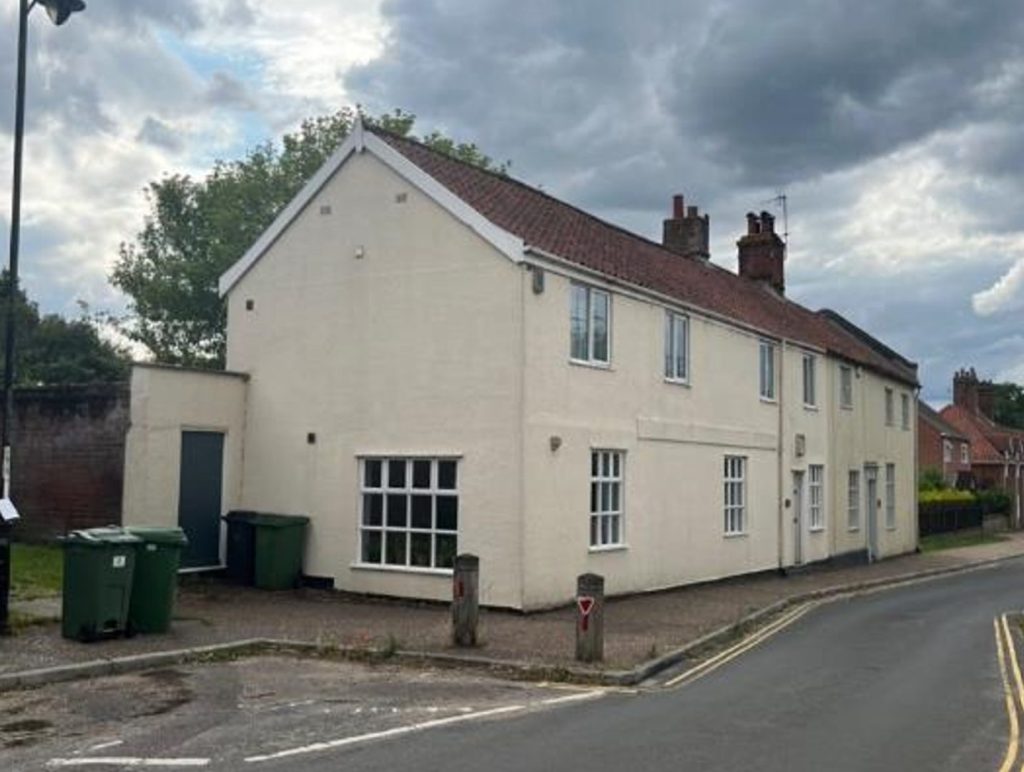
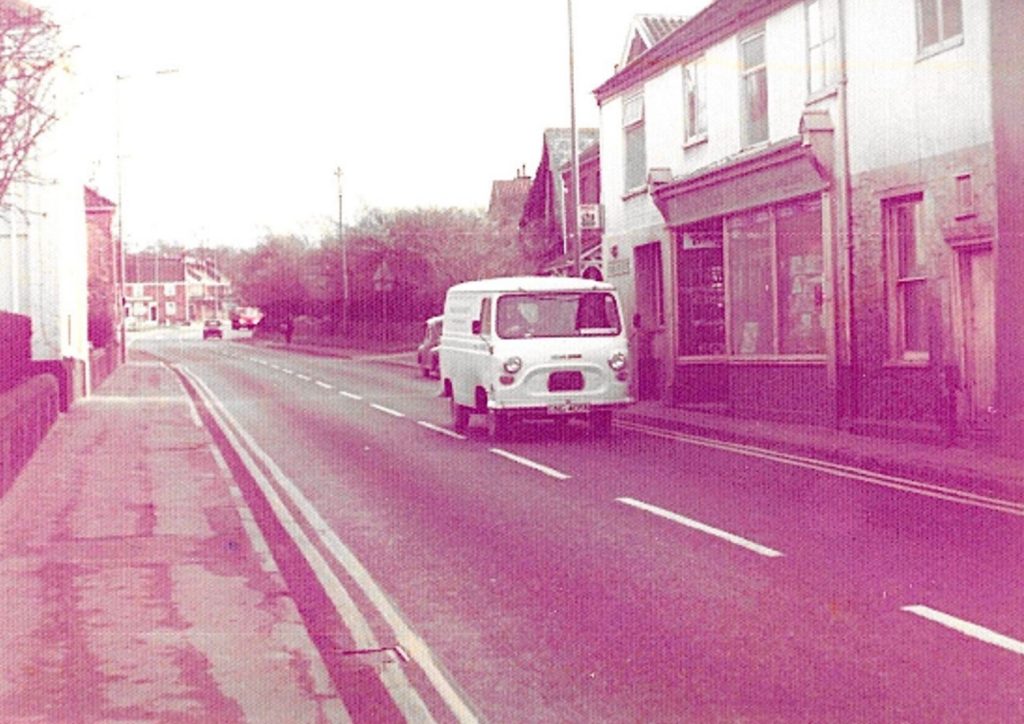
Current Easter cottage with attached Newton Cottage behind looking West with older picture when it was a Post Office and Delicatessen.
They are much older, though rendering and modern windows etc. make it hard to ‘read’ their history from the outside
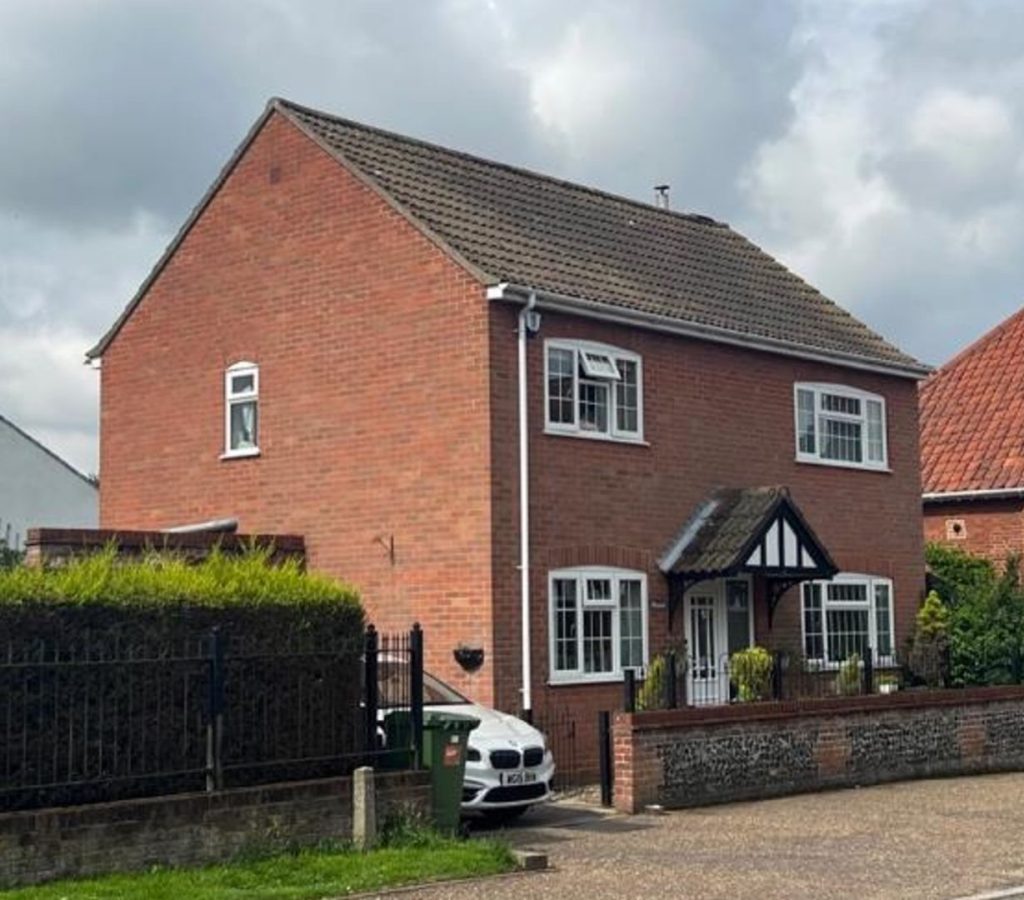
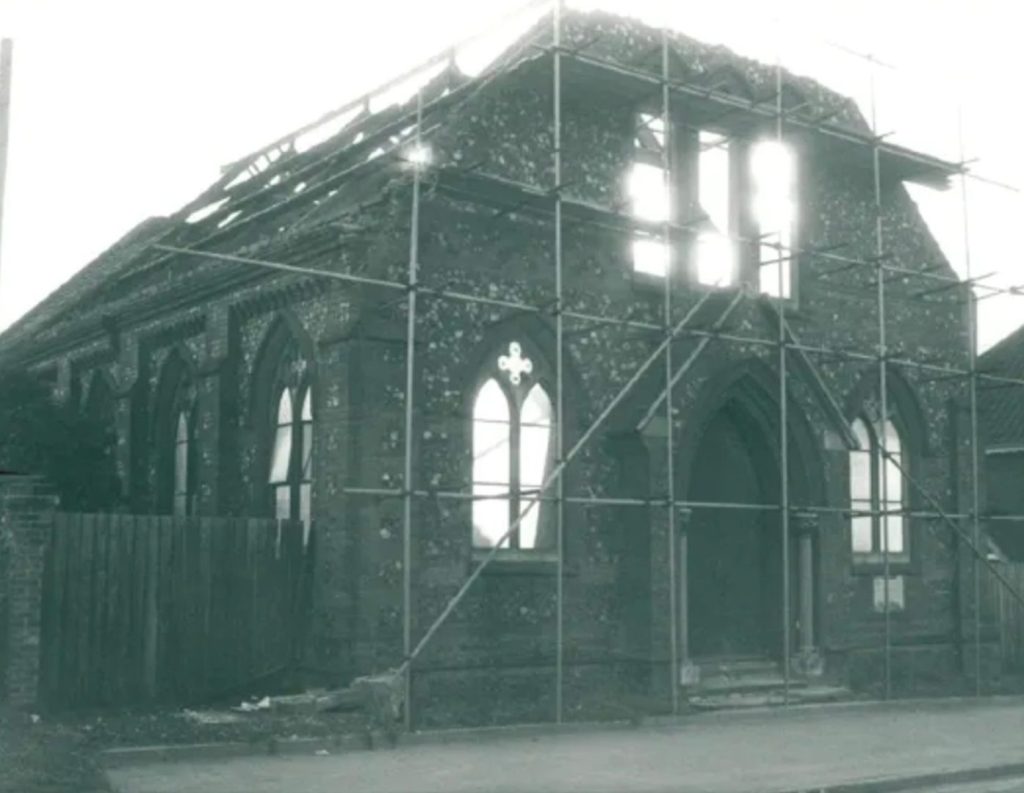
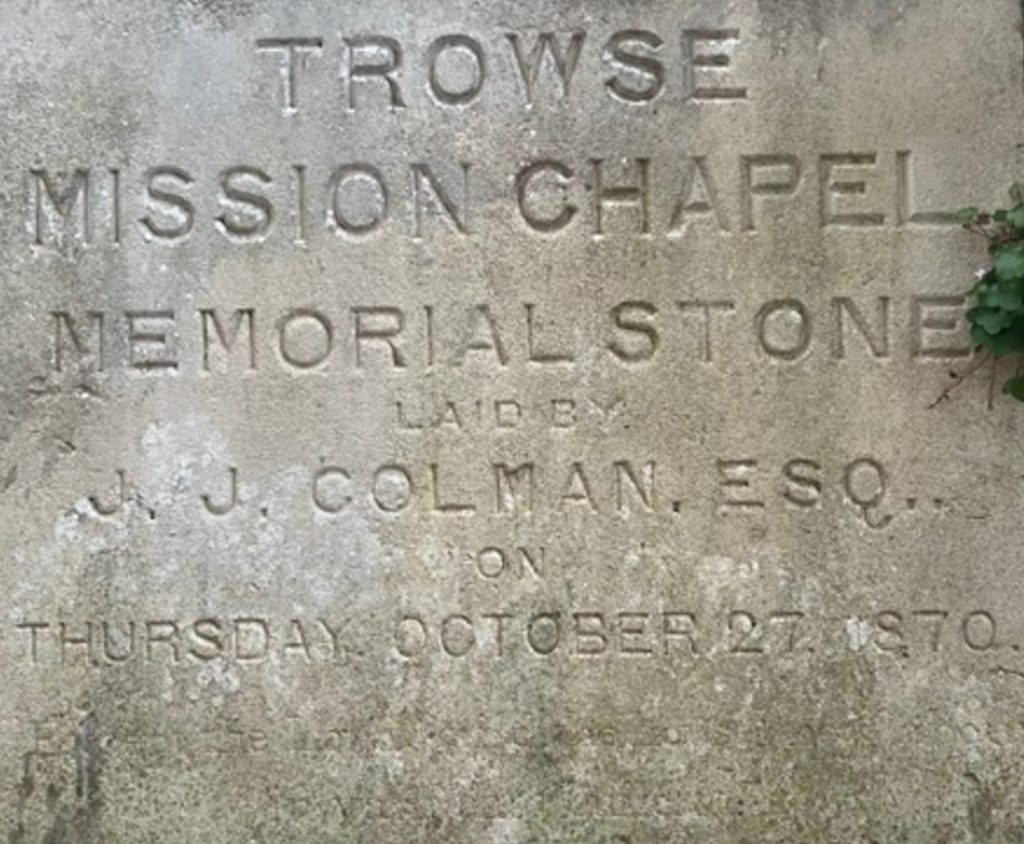
Wayside, a brick house of the early 1980s, fits in reasonably well and is enhanced by a flint front garden wall. It replaced the Congregational Chapel, which was of particular historic interest: it affirmed the Colman family’s original Nonconformist convictions, which, it could be said, were a strong contributory factor in their business success, in their beneficent attitude to their employees and hence in the building at Trowse of the ‘model village” itself.
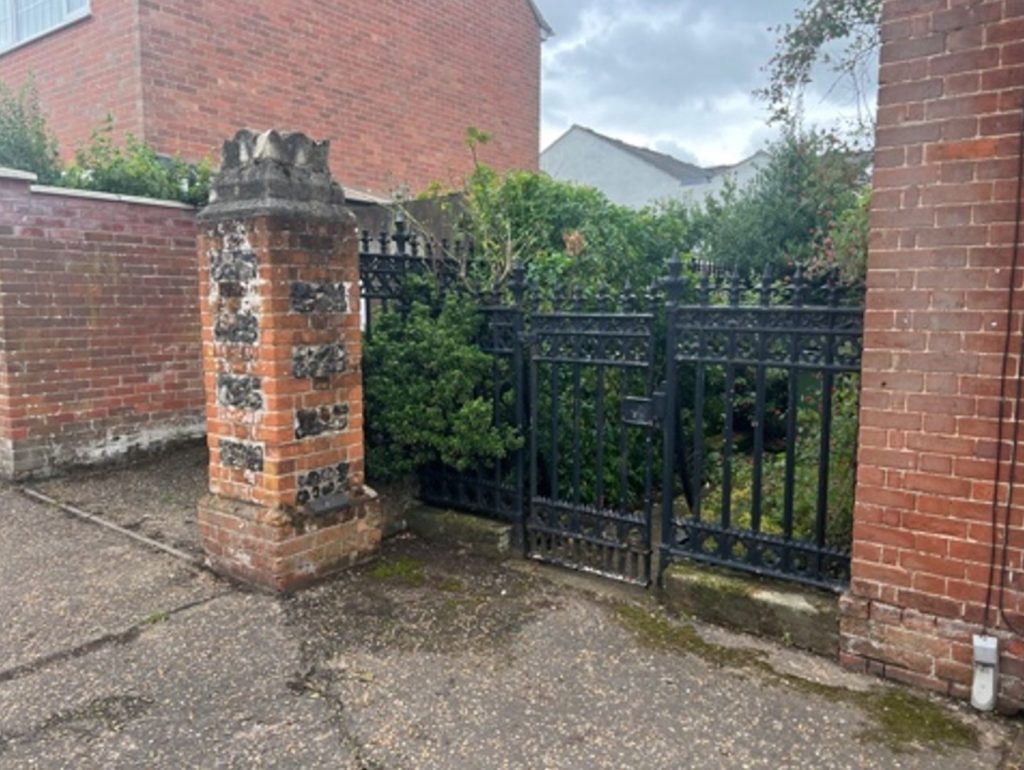
A gate and a small section of elaborate iron railings built beside the Chapel survive. (below)
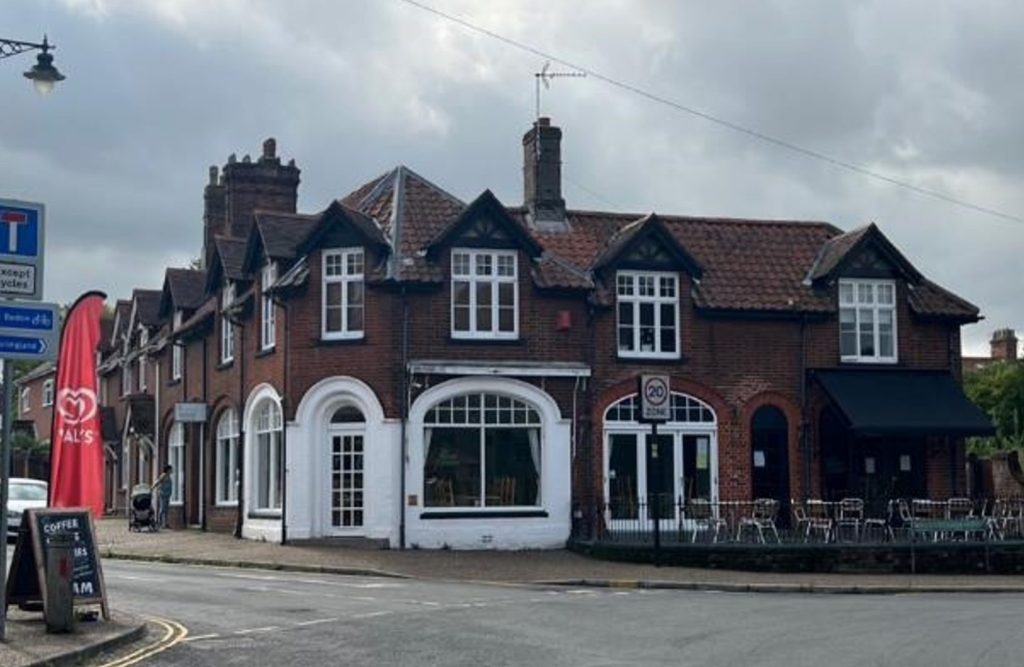
Chapel Place, incorporating a restaurant, completes this side of the street, and – as it turns the corner – becomes the point round which the village pivots. Dated 1893, it is the latest and most elaborately detailed of all the terraces. Any hint of “Georgian” simplicity is gone. Large mullioned and transomed windows, gables, bargeboards, exposed rafters and little porches. The replacement of some of the windows is an unfortunate alteration to the rhythm of this block, but thankfully the shop windows, which are a variation on the domestic ones, survive.