
A historical journey through the streets and houses of Trowse Newton.
Appendix 1 - Townscape and Buildings
(6) Dell Loke
The Dell and School Terrace
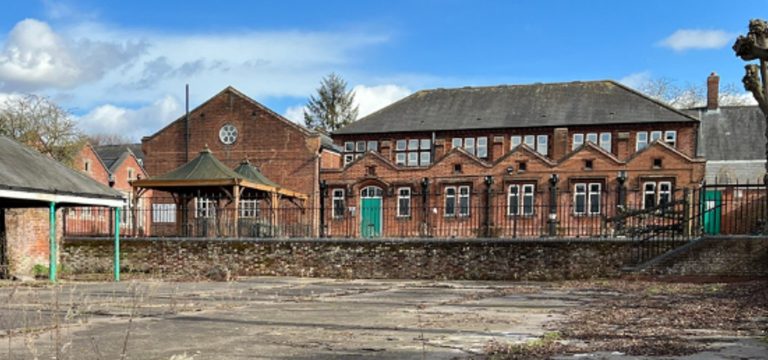
The School is built on a sloping site, so that the playground is on two levels and to the east the building is hemmed in by a high retaining wall. At the same time, the Chapel, until it was demolished, butted hard up against the north end of the School. Why did the Colmans choose such an awkward and cramped site? The school building resembles a Board school of its time: classrooms with large windows and high ceilings grouped round a large central hall. It is solidly built of red brick with a slate roof and with terra cotta to openings and eaves. Its style is loosely “Jacobean”. The old metal windows have been replaced in UPVC: this changes the appearance of the building but is consistent throughout and not unpleasing. Outside were two open shelters, (one on each level) on cast iron columns as can be seen in the photograph of the lower playground. The one on the upper playground was incorporated into a separate building for the Reception Class – shown behind the lower shelter. Currently since the school moved to a new site, proposals have been submitted for change of use to domestic dwellings. East of the School there is a substantial building of brick and slate: it appears originally to have been a hall with tall side windows under wedge dormers, but a floor has later been inserted and the windows partly blocked. Its original use is not known. Further east are the back entrances to properties in the Street. High flint walls conceal gardens behind. There is a fine mature tree in the garden of Easter Cottage.

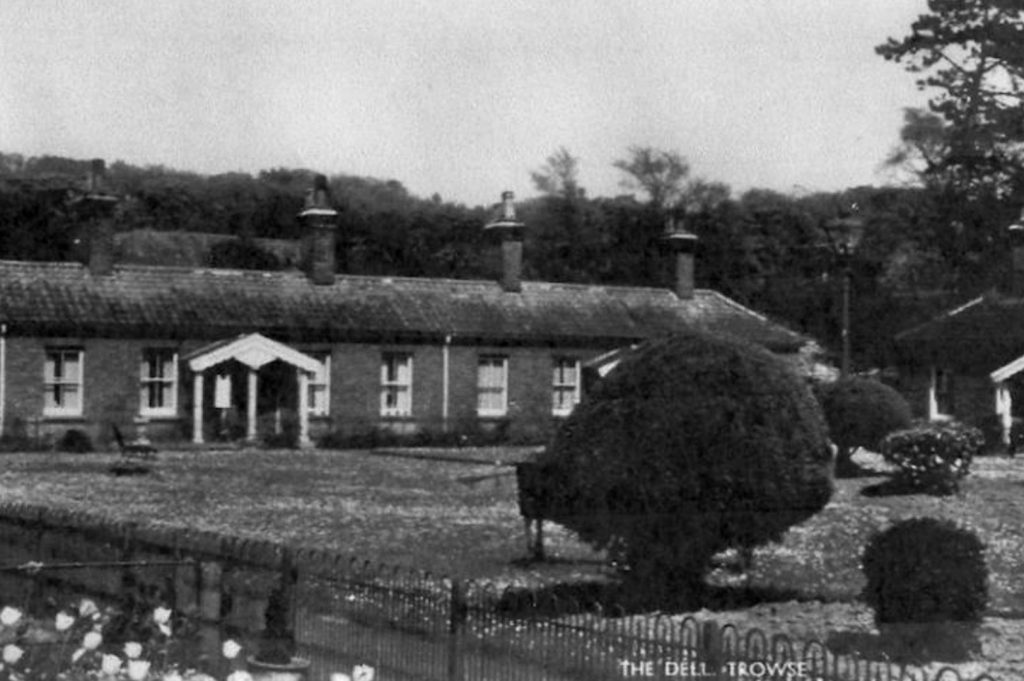
The Dell itself stands in a hollow – probably created as a result of mineral extraction. To east and south the enclosing banks are planted with trees. The pensioners’ houses form three sides of a ‘square’, open at the corners. They are single storey of red brick and slate, with low eaves and simple and uniform door and window openings. The original wood sash windows have been replaced by mock sashes in PVC: this is regrettable, although the uniformity of the new windows reduces the impact of this change. Other alterations include flat felt-roofed rear extensions and porches: a better matching brick could have been used for the extensions and the porches could perhaps have been more attractively detailed. The fourth side of the ‘square” is filled by a modern building comprising a central two storey warden’s house with other single storey accommodation to each side: while not in the same style as the older buildings, it fits in well – though a matching brick could perhaps have been used. Further new residents’ bungalows have been built on the north side of The Dell. The grounds, including the central ‘square”, are mostly grassed, with attractive trees and seats. Hard surfacing is all in tarmac or concrete. School Terrace borders The Dell on its west side. It comprises two blocks, very similar to those of Russell Terrace. Again, it is unfortunate that changes have been made to a number of windows and doors. Chain link fences separate the back gardens of both terraces from Dell Loke. A substantial area of well used allotment gardens remains to the south of The Dell and School Terrace.
(7) Whitlingham Lane
Tall trees, hedges and undergrowth line both sides, establishing – only a few yards from the city boundary – its essentially rural character. On the west corner attractive shrub planting adjoins the village sign, which looks as though it has recently been restored, and a field gate leads into a meadow (within the Broads Authority, see appendix 4) with a view of industrial buildings across a stream. On the eastern side of the lane, the former Vicarage Garden is screened by an unattractive timber boarded and concrete fence.
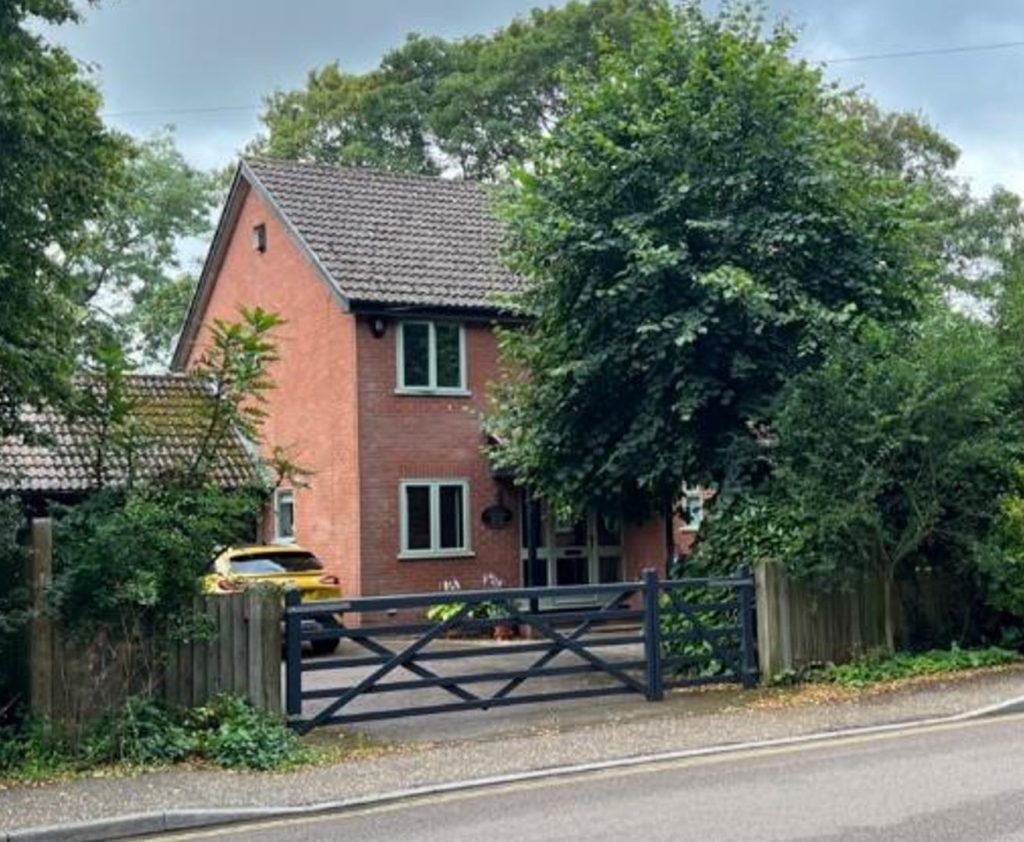
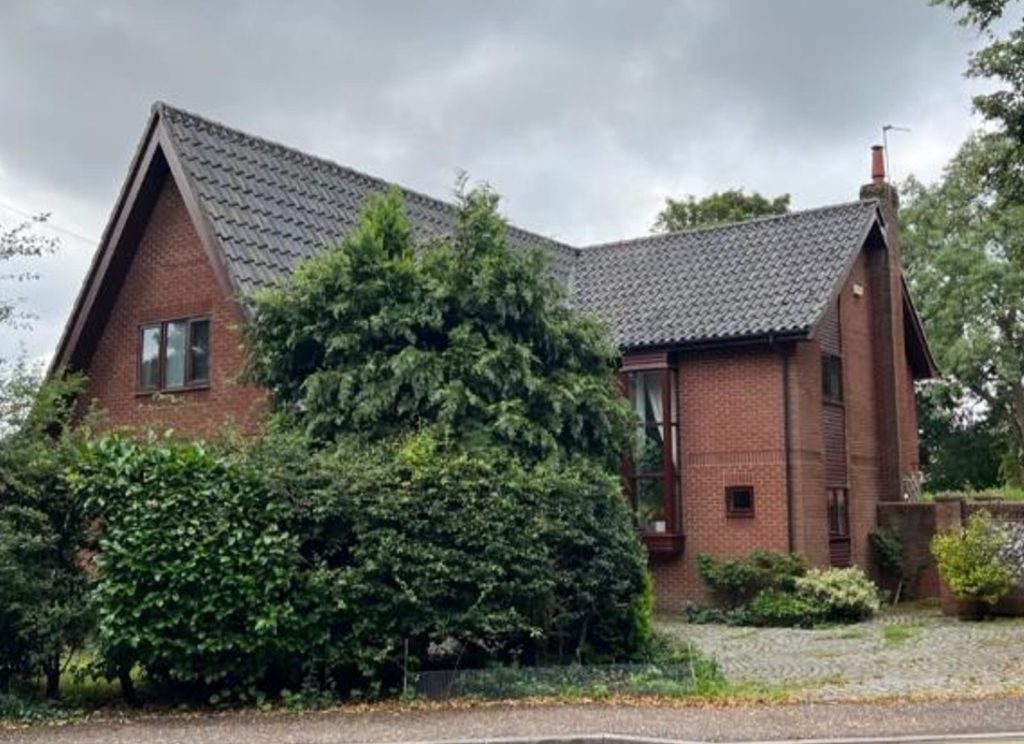
Two modern houses beyond the former Vicarage sit comfortably behind mature trees and hedges.